




Blog / Engine Maintenance

Blog

All Engine Maintenance Anderson Chevrolet Dealer Anderson Chevrolet Service Ed Martin Chevrolet Around Anderson Ed Martin Chevrolet Service 2024 Chevrolet Models Safety Features Ed Martin Chevrolet Finance 2025 Model Year Anderson Used Cars 2023 Chevrolet Models 2026 Chevrolet Models Maintenance Chevrolet Chevrolet SUV's Chevrolet Tahoe Chevrolet Traverse Chevy Silverado 1500 Auto Repair Chevrolet Colorado Finance Department Brakes Chevrolet Equinox Chevrolet Malibu Chevrolet Trax Chevy Bolt EV Electric Vehicle Oil Change Tire Alignment 2023 Lineup 2026 Chevrolet Silverado 1500 Air Conditioning Chevrolet Blazer Chevrolet EV Chevrolet Suburban Electrical System Financing Your Next Vehicle Headlights 2025 Chevrolet Models Car Warranty Chevrolet Blazer EV Chevrolet Equinox EV Chevrolet Silverado 2500 HD Chevrolet Trailblazer Chevy Corvette Z06 Chevy service Chevy Silverado 2500 Chevy Silverado EV Chevy Trucks Silverado 1500 2026 Chevrolet Bolt 2027 Chevrolet Bolt Chevrolet Camaro Chevrolet Corvette Chevrolet service and parts Chevy Silverado 3500 HD Custom Order Ignition Coils Interior Sedan Sports Car Transmission
car service technician

Chevy Oxygen Sensor Maintenance: Ensuring Fuel Efficiency

The oxygen sensor plays a vital role in maximizing the performance of your Chevy. However, like many components, it needs a little TLC to stay in tip-top condition. Organizing a Chevy oxygen sensor maintenance check ensures everything is operating smoothly, and there are no imminent problems. more Chevy Oxygen Sensor Maintenance: Ensuring Fuel Efficiency What Does the Oxygen Sensor Do? The oxygen sensor monitors the level of oxygen present in your exhaust's gases and sends this information to your Chevy's engine control unit (ECU). The data is analyzed by the ECU, where the air-to-fuel ratio can be adjusted to ensure optimal combustion. If there is too much or too little oxygen present, it can lead to increased fuel usage, greater emissions, and potentially engine damage if allowed to continue. Oxygen Sensor Warning Signs Oxygen sensors are typically easy to replace for Chevy technicians, getting you back on the road in next to no time. However, if you ignore the warning signs, you risk doing serious damage to your catalytic converters and possibly the whole engine. Some of the most common indicators that your oxygen sensor may be developing a problem include: • Check Engine light illuminates • Reduction in fuel efficiency • Dark or black emissions from the exhaust • Unpleasant rotten egg smell • Misfiring engine • Hesitation or surges when accelerating How Often Should an Oxygen Sensor Be Replaced? Unlike components such as air filters, you don't need to replace the oxygen sensor routinely at low mileage intervals. The sensor can usually remain in place until it shows signs of beginning to fail. When this occurs may vary from one model to another, but you can typically expect the sensor to last for 60,000 to 100,000 miles. Vintage or older models are more likely to be at the lower end of the range, while newer Chevrolets should achieve close to the top limit. Ways to Prolong the Life of Your Chevy's Oxygen Sensor Once the oxygen sensor starts to fail, the only solution is for your local dealership to replace it. However, there are some measures you can follow along the way to help extend its lifespan. These include: • Always use high-quality fuel • Stick to Chevrolet's recommendations for octane levels • Avoid aggressive driving • Protect the sensors from excessive moisture • Don't expose your Chevrolet to extreme temperatures • Have regular maintenance to check diagnostics Benefits of Regular Oxygen Sensor Maintenance on Your Chevy Having regular checks and maintenance on your oxygen sensor by a certified professional will provide multiple benefits for your Chevy, such as: • Better fuel economy • Reduction in emissions • Protection for the catalytic converter • No risk of engine damage • Avoidance of costly repairs   Whether you're looking for a preventive check or you think there's something wrong with your oxygen sensor, we can help. Contact our team here at Ed Martin Chevrolet in Anderson, IN to schedule an appointment.

car engine tune up

5 Signs Your Chevy's Engine Needs a Tune-Up

Car maintenance is an important part of vehicle ownership, but how do you know when it's time for your Chevy to get a tune-up? The signs are unmistakable if you know what you're looking for. We cover some of the most common indicators your car needs an engine tune-up and how our Chevy dealership can help. more 5 Surefire Signs Your Car Needs an Engine Tune-Up at a Chevy Dealership 1. Your Engine Light Is On If your engine light comes on and stays on when you start your car, it means your vehicle's computer has sensed something wrong under the hood. To figure out why this light is getting tripped, you need to take your vehicle to your dealer for an engine diagnostics test. 2. Your Steering Wheel Is Vibrating A steering wheel that vibrates is usually caused by an issue with your tires. They may be out of alignment, or there may be a bubble in one of them, causing them to shake when you drive, especially at high speeds. 3. Your Oil Is Dirty or Consistently Low If you check your oil, and it's often low, this could be an indicator that you have a leak somewhere in your system. Dirty oil is a common issue that arises if you go too long between oil changes, but it will eventually damage your vehicle if you wait an excessive amount of time. 4. Your Brakes Are Squealing Are your brakes screeching, grinding, or squealing when you slow down or come to a stop? This is a good sign that your brake pads have worn down, and you need to get them replaced. If you wear through the pads completely, you could start to damage your rotors, and this is a much more expensive repair. If you start to feel your brake pedal vibrate when you stop, this may be the case. 5. Your Owner's Manual Says So If your vehicle's owner's manual says it's time to bring your car in for maintenance, it's best to go ahead and do this even if you're not noticing any issues. This is because parts often need to be updated or replaced after your vehicle has reached a certain number of miles or a certain amount of time has passed. If you keep driving your car without the manufacturer's recommended upkeep, you're likely going to have more problems with it, and its value will depreciate more over time.   Does your Chevy need a tune-up? Contact us at Ed Martin Chevrolet in Anderson, IN today. Our licensed and trained mechanics can service your car, top off your fluids, and check for any minor issues that need to be fixed before they become serious.

A person cleaning the interior of their car near Anderson, Indiana

Maintaining Your Chevy's Interior: Cleaning and Care Tips

Regular services are essential to ensure your Chevy vehicle, but interior maintenance is also important in caring for your vehicle. After all, when you sit behind the wheel of your Chevy, you want the cabin to be clean and in good condition. As your Chevy dealer, we want to give you some advice on Chevy interior maintenance. more Start With the Mats The mats collect dirt and other debris to help keep the carpets clean, so cleaning them is the first step. If you have rubber mats, they can be hosed down and left to dry. If you have carpeted mats, clean them gently with a good carpet cleaner and a soft cloth, then hang them on the line to dry. Make sure the mats are dry before replacing them. Clean Interior Windows Interior windows also get dirty, and cleaning them improves vision. Use Windex or another glass cleaner and a soft rag or paper towel on the windscreen and windows to keep the glass streak-free. Clean and Disinfect Use microfiber cloths to remove dust and dirt from the dash, armrests, and other interior surfaces. The fibers trap dirt and are soft enough to prevent scratching. Dust all interior surfaces, including the inside of cupholders. Once the interior surfaces are dust-free, use disinfecting wipes to clean everything gently, as they will remove any bacteria left behind. Screen cleaning wipes are available at any store. They're designed to clean computer monitors, so they are safe to use on your infotainment screen, dashboard screen, and other sensitive areas. Upholstery Cleaning First, vacuum all the seats to remove dust or dirt. If your Chevy has cloth upholstery, use a high-quality upholstery cleaner and a soft cloth. Any upholstery stains can be easily removed using a good upholstery stain remover. When you clean cloth upholstery, don't use too much water, as this can damage the material and the foam underneath. Open all your car doors to allow the seats to air dry. If you have leather upholstery, use a high-quality leather cleaner and a soft cloth to clean each seat carefully. Regularly using leather cleaner keeps leather soft and supple, preventing cracking that occurs over time. As a bonus, the interior will smell of clean leather. Vacuum the Interior Use your vacuum cleaner to vacuum the floors and remove any remaining dust. Vacuum cleaners have numerous attachments that allow you to reach even the most difficult areas, like under the seats and inside the side panels. Once the dust has been removed, your car will be as clean and fresh-smelling as the first day you drove it. If you'd like to know more about keeping your Chevy in good condition, contact us today at Ed Martin Chevrolet in Anderson, IN.

A wheel alignment being performed near Anderson, IN

The Importance of Regular Wheel Alignment Checks for Your Chevy

A wheel alignment involves making precise mechanical adjustments to your Chevy's suspension system to position the wheels correctly. When your wheels are accurately aligned at your Chevy dealer, your wheels will be centered, and your tires will make proper contact with the road, ensuring optimal vehicle performance, comfort, safety, and fuel efficiency. more Handling The correct alignment of your wheels ensures that your tires wear evenly and that your Chevy's weight is equally distributed across all four tires. This will give your tires traction and significantly improve your vehicle's handling, particularly when navigating curves or making more rapid turns. Control When your Chevy's wheels are correctly aligned, your vehicle will respond accurately to steering inputs, allowing you to maintain complete control. Proper alignment will also prevent your car from drifting, especially when driving at high speeds or in inclement weather. Comfort Misaligned wheels can cause steering wheel vibrations, making driving your vehicle far less enjoyable. However, when your Chevy's wheels are correctly aligned, uncomfortable vibrations are reduced, making your driving experience much smoother. Safety Proper alignment enhances your safety on the road by minimizing the risk of losing control of your vehicle, especially during sudden maneuvers. Misalignment can significantly impact your vehicle's braking system by causing uneven pressure on the brake pads, resulting in poor braking ability. Fuel Efficiency Misaligned wheels create friction and resistance, causing your engine to exert more effort, directly resulting in higher fuel consumption. The correct alignment of your wheels minimizes rolling resistance, enhancing your vehicle's fuel efficiency and helping you save money on fuel expenses. Tire Life Improperly aligned wheels lead to uneven tire wear, which can significantly shorten the life of your tires. When the suspension is misaligned, your vehicle's tires will make irregular contact with the road, increasing resistance between the tire and the road surface. This causes certain areas of the tires to wear down more quickly than others, resulting in earlier tire replacement. Correct alignment helps distribute the vehicle's weight evenly over the tires, ensuring uniform wear, reducing wear, and prolonging the life of your tires. Repair Costs Proper alignment not only saves you money on tires, it also minimizes mechanical problems by reducing the strain on suspension and steering components that can cause premature wear. Having your Chevrolet technician regularly check your Chevy's alignment will help you avoid unexpected and costly repairs. Maintaining the correct alignment optimizes your driving experience by improving handling, control, and comfort and your Chevy's overall performance. It's also vital for preventing unnecessary wear on your steering, suspension, and tires. Stop at Ed Martin Chevrolet in Anderson, IN, today for an alignment. Our certified and experienced Chevrolet technicians use cutting-edge technology and equipment to ensure you reap all the benefits of proper alignment.

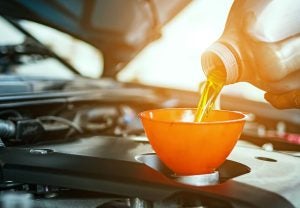
An oil change being performed at a service center near Anderson, Indiana

Oil Change Frequency: How Often Does Your Chevy Need One?

Regular oil changes are one of the most basic pieces of maintenance you can perform for your car. How often should you head to the Chevy dealer to change your oil? It's actually not that complicated. more When Should You Change Your Oil? The best place to start? Your Chevy's owner's manual. It's tailored to your specific model and engine, providing the most accurate information. Typically, newer models with synthetic oil can go about 7,500 miles between changes. Always check your manual to be sure. Driving conditions matter, too. Think about how and where you drive. If you're often in stop-and-go traffic, driving in extreme temperatures, or hitting dusty roads, your car falls into the "severe" use category. This scenario usually means you should change your oil more frequently. Why Bother Changing Your Oil? It Keeps Things Smooth Oil keeps your engine's moving parts gliding smoothly against each other, which helps prevent them from wearing out too quickly. If you fall behind on changes, the oil gets old and grimy, which isn't slick enough to prevent friction, leading to faster wear and potential engine damage. It Cleans the Engine As oil circulates, it picks up tiny bits of debris and dirt from the engine. These are normally caught by the oil filter, but over time, the filter gets full and becomes less effective. Regularly changing your oil and filter helps clean out these particles and stops sludge from building up in your engine. It Saves on Gas A well-lubricated engine doesn't have to work as hard, which means it uses fuel more efficiently. Keeping your oil fresh can actually help you get better mileage, saving you money at the pump and being a bit kinder to the environment. Signs It's Time for an Oil Change From the Chevy Dealer Your Oil Looks Nasty Fresh oil is usually a clear amber color. Pull out the dipstick and check it: if your oil is dark and dirty, it's time for a change. You should check your oil at least once a month to be sure it's still doing okay. Too Much Engine Noise Old oil can cause your engine to make more noise than usual. If things are sounding rough under the hood, like clattering or knocking, your oil probably isn't doing its job anymore. That Little Light on Your Dash Appears Many new Chevys have an oil life monitoring system. If the oil light comes on, don't ignore it. This system is pretty smart and calculates when you need fresh oil based on how you actually use your car. There's Smoke Coming From the Exhaust Is your car's exhaust looking more like smoke? It could be a sign that old oil is burning off inside your engine, which definitely isn't good. Changing your oil is one of the simplest ways to avoid bigger, more expensive problems down the road. Call Ed Martin Chevrolet in Anderson, IN, to schedule your next service today.

A headlight being repaired near Anderson, Indiana.

3 Car Maintenance Tips to Keep Your Chevy in Great Shape

Car maintenance can sometimes seem daunting, but it will save you money and stress in the future. Regular maintenance helps to identify worn or damaged parts before they become a serious problem. As your Chevy dealer, we want to give you some tips on how to keep your car in great shape. more Check Air Filter Combustion requires both fuel and air. Air enters your car through the radiator grille and then passes into the air filter box. The air filter traps dirt and other debris to ensure that only clean air enters your engine. This is important, as dirt could easily cause damage to sensitive engine components. Over time, the air filter will become blocked and need to be replaced. Your car's manual shows the location of the air filter box. Once you pop the hood, find and open the box. A healthy air filter should be white or cream. If your filter is brown or black, it's probably blocked and preventing air from reaching your engine. A lack of air in the engine means your engine won't work efficiently, and components will get damaged. We can easily replace your filter to prevent these problems. Check Tire Pressure Correct tire pressure is vital for your tire performance and will maintain tire health. Your car manual lists the correct tire pressure for your car. Your front and rear tires usually have different pressures, due to weight distribution and the type of drive in your Chevy. You can also find your tire pressure on a small plane on the inside door jam of the front passenger door. Underinflated tires suffer increased wear as more of the tire is exposed to abrasion from the road surface. Overinflated tires are at risk of a blowout. This can happen as the air inside a tire heats up due to friction as the tire moves. If a tire has more air than recommended, the increased pressure from the air can cause the tire to burst. You can adjust the air pressure yourself, or our technicians can do it for you. Check for Leaks Your Chevy contains many different fluids, and each fluid has a vital role in your car. Some of the most important fluids are brake fluid, transmission fluid, coolant, windshield washer fluid, and oil. Over time, leaks can develop due to worn seals or other damaged components. Leaking fluid can result in damage to essential car components. Most fluid leaks are external, so if you spot any fluid leak visit us right away. Our skilled technicians will quickly identify the source of the leak and repair it. If you'd like more maintenance tips or have a problem that needs fixing, call us today at Ed Martin Chevy.

A car's headlights pointed at the camera near Anderson, Indiana.

Does Your Chevy Need New Headlights?

Headlights: they're on the front of your car, but they may not be top of mind all the time. These essential components ensure you can see and be seen, no matter the time of day or weather conditions, but they don't last forever. How can you tell that it's time to get new headlights at the Chevy dealer before they leave you stranded in the dark?  Read on to find out. more Headlights Are Getting Dimmer Headlight bulbs lose their brightness and gradually dim over time, making it harder for you to see where you're going. If you can tell that your headlights aren't as bright as they used to be, you should have it checked out. Flickering Lights Sometimes when bulbs begin to wear out, they start to flicker. If your headlights have been flickering on and off, it's possible that you need new bulbs, but it might also be caused by electrical problems or a loose connection. A quick visit to the service center can help diagnose and fix the issue before it becomes a bigger problem. Uneven Headlight Beams If you notice that the beam of one headlight is significantly brighter than the other, or if the beams seem to be pointing in different directions, it's a sign that your headlights need attention. One of Your Headlights Is Out If one of your headlights has burned out, it obviously needs to be replaced as quickly as possible. Not only does driving with one headlight reduce your visibility on the road, but it might end with you getting a ticket, and no one wants that. Discolored Headlight Lenses Over time, the plastic lenses of your headlights can become yellowed or cloudy due to exposure to the sun and other environmental factors. This discoloration can make your headlights work less effectively, sometimes quite a bit. While there are kits available to clean and restore your lenses, sometimes the best course of action is to replace them entirely. Frequent Bulb Replacements If one day you realize you've been replacing your headlight bulbs more frequently than usual, it could be an indication of a larger electrical issue. Frequent bulb replacements are not only a hassle, but their cost can also add up over time. Head to Your Chevy Dealer for New Headlights Your local dealer has access to genuine OEM parts, ensuring that your headlights are of the highest quality and specifically designed for your vehicle model. Plus, our expert technicians have the knowledge and experience to properly install your replacements, making sure they're aligned correctly and functioning properly. Don't compromise your safety and visibility on the road. If you've noticed your headlights are wearing out, it might be time to give your Chevy the attention it deserves. Schedule service at Ed Martin Chevrolet, where you can trust your vehicle is in good hands.

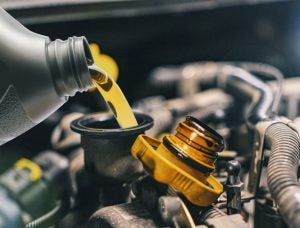
An oil change being performed near Anderson, Indiana.

How Often Should Your Chevy Get an Oil Change?

Ensuring your Chevy gets regular oil changes is a simple and effective way to prolong the life of your engine. It helps prevent problems and maintains the performance your car was built for. But just how often should you be driving to the Chevy dealer to have it done? more Guidelines for Changing the Oil A good rule of thumb is that you should change the oil in your Chevy every 5,000 to 7,500 miles. These guidelines can vary based on your vehicle's make and model, as well as your driving habits. Newer Chevy models are equipped with an Oil Life Monitoring System to make it even easier, as they'll notify you when it's time to change your oil. Consequences of Skipping Oil Changes Regularly changing the oil is crucial for keeping your engine running right. If you go too long without fresh oil in your engine, there can be some serious consequences, including the possibility of permanent damage. Engine Wear and Tear Oil lubricates the engine, reducing friction between components. Without fresh oil, the parts of your engine can wear out more quickly. Overheating Fresh oil helps the heat of your engine dissipate. Old, dirty oil can lead to an increase in engine temperatures, potentially leading to overheating. Poor Performance Neglecting the oil in your engine can result in your Chevy running less efficiently. Aside from decreased performance, you might also notice reduced fuel economy. Shortened Engine Life Over time, not changing your oil can lead to severe engine damage, significantly shortening the life of your vehicle. Signs You're Overdue for Fresh Oil If you can't remember how long it's been since you've changed the oil in your car, there are some signs you can keep an eye out for. The most obvious sign that you need to change your oil is if the oil or check engine light is illuminated on the dashboard. You might also start to notice loud engine noises. If your engine is louder than normal or starts making knocking sounds, it could be crying out for fresh oil. You can also check the color of your oil. Fresh oil is a clear amber color. If your oil is dark and dirty when you check it, it's time for a change. Finally, if your oil level is constantly low, even after adding oil, you may have a leak. It's a clear sign that your Chevy needs attention. Change Your Oil at Your Chevy Dealer Choosing to get service at your dealership ensures that your vehicle is in the hands of experts who know your car inside and out. Our certified technicians will use high-quality oil and filters, ensuring your Chevy runs as smoothly as possible. Changing your oil regularly is a simple but important part of vehicle maintenance. It helps ensure a longer life for your engine, protects performance, and ultimately saves you money on potential repairs. Schedule service today at Ed Martin Chevrolet to take care of your car's engine.

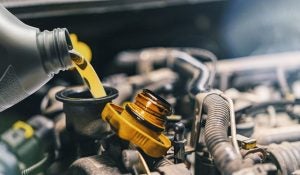
An oil change being performed near Anderson, Indiana

How Often Should Your Chevy Get an Oil Change?

Keeping all the moving parts under the hood well-lubricated is essential to ensure your Chevy runs at its best and lasts longer. Proper lubrication will reduce friction and wear, increase your car's gas mileage, and prevent unexpected and expensive repairs. To keep your Bolt, Traverse, or Silverado in top condition, get an oil change from the qualified technicians at your Chevy dealer regularly, and your vehicle will always be a joy to drive. more Chevrolet Oil and Filter Changes Several factors must be considered to determine how often your Chevy needs an oil and filter change. The age of your car, the model you drive, engine type, the amount of mileage on the clock, your driving habits, the roads you use, and even the type of engine oil all influence oil and filter change intervals. Even if your vehicle has an Oil Life Monitoring System (OLMS), regularly checking the oil level is crucial. If you drive an older model without an OLMS, follow the factory-recommended oil and filter change intervals in your owner's manual. The Oil Life Monitoring System Your Chevy's OLMS keeps track of the operating conditions, speed, and engine temperature to determine when your car needs an oil and filter change. If the OLMS detects that an oil and filter change is due, the system will display a "Change Engine Oil Soon" message. If you drive under optimal conditions, the OLMS may not alert you for over a year. When you notice the message, the factory recommends scheduling an oil replacement at your dealer within 600 miles to avoid damage to the engine. The OLMS will be reset once the technician completes the oil and filter replacement. Mileage Intervals If you drive an older model not equipped with an OLMS, the factory-recommended oil and filter change intervals are every 3,000 miles or at least once a year to ensure your engine stays properly lubricated. Please check your Chevy owner's manual for the oil and filter change intervals best suited for your model, or ask your Chevrolet technician for assistance. The Proper Grade of Oil To ensure optimal performance, your Chevy requires the correct oil. You can find the recommended oil grade for your specific model in your owner's manual or ask your Chevrolet technician to assist you when you take your vehicle for an oil and filter change. ACDelco Conventional Oil, ACDelco dexos1 Full Synthetic, and Mobil 1 Full Synthetic are all great options that offer excellent lubrication and protect your engine against wear and corrosion. Take all the guesswork out of oil and filter changes and rely on the qualified Chevrolet technicians at your dealer who will help you keep your engine running smoothly and your Chevy on the road for years to come. Contact Ed Martin Chevrolet today for an oil and filter change to ensure your Chevy's engine is well-lubricated and protected.

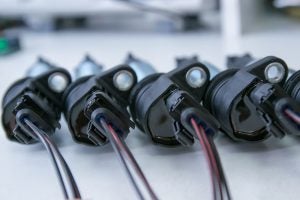
Row of ignition coils at a service center near Anderson, Indiana

5 Signs of a Faulty Ignition Coil

The ignition coils are a vital component of a combustion or hybrid engine vehicle. The condition of your ignition coils impacts how your spark plugs perform. Therefore, a faulty ignition coil can impact your engine's overall performance. If your engine isn't running well, then you may need to have one or more of your ignition coils replaced at your local Chevy dealer. more 1. Your Engine Is Having Trouble Starting If your engine is struggling to turn over, then something is wrong with one of its components. It may take a couple of tries to get the engine to start, and it may sound like it's spluttering. Jerky start-ups are also common if one of the ignition coils is faulty. If your car only has one ignition coil, then your car might not start at all because there's nothing working to deliver the spark to your spark plugs. 2. Your Engine Is Misfiring Even if your engine starts normally, you might notice a jerky feeling or a spluttering sound when you're driving at a normal speed. When you stop in traffic, you might feel your vehicle jerking or vibrating when you go to drive again. This may be caused by a bad ignition coil misfiring. Other issues with your engine can cause misfiring, too, so you should get the engine checked over at the dealer as soon as you can. 3. Your Engine Is Using More Fuel Than Usual If you're finding you need to stop for gas more frequently, then there's something wrong. First, look for fuel puddles under your vehicle to rule out a fuel leak. If there's no leak, then it's probably a problem with your engine. If there's something wrong with one of the components powering your engine, such as an ignition coil, then your engine needs to use more fuel to perform normally. 4. Your Engine Is Backfiring When your car backfires, a loud popping noise comes from your exhaust. This is caused by unburned fuel escaping your exhaust system. Backfiring can cause significant damage to the engine if you don't figure out what's causing it and repair the issue quickly. 5. Your Engine Is Less Powerful Than Usual If your engine seems to be less powerful than usual, then there may be something wrong with your ignition coils. Taking longer to reach high speeds, frequent idling, and unusually rough handling can all be signs that your engine's power is dwindling. Your engine might also be louder than usual. The five issues above are red flags, so if you notice any of them occurring, then you need to get to a dealer as soon as possible. Visit Ed Martin Chevrolet so we can thoroughly inspect your engine and repair any problems we find. We'll make sure you're back on the road as soon as possible.

A photo of a malfunctioning AC system in a car near Anderson, Indiana

Car AC Not Working? Visit Your Chevy Dealer Today

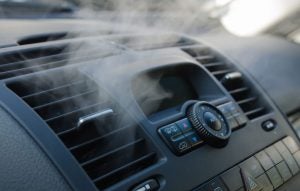
​​​​​​​​​​​​​​​​​​​​​​​​​​​​​​​​On a hot summer's day, we all depend on our car's AC to give us the necessary cooling air. Your AC system, unfortunately, can develop problems over time. This could result in your car AC not working. As your Chevy dealer in Anderson, IN, we'd like you to know some signs you need to visit us for an AC repair. more Leaking Refrigerant Refrigerant is a colorless, odorless gas that is essential for your AC. Refrigerant changes between gaseous and liquid states as it chills the air for your AC. These changes require the AC system to operate under high pressure, and over time, this pressure and external damage can result in a leak. The first indication of a leak is that your AC will start to produce steadily warmer air as the air in the AC is no longer being chilled. Our technicians will solve this problem by running a UV dye through the system. They use a special UV monitor to trace the refrigerant and locate the hole. Once we've located the leak, we'll seal it permanently and refill the refrigerant. Damaged Compressor Clutch The compressor is the center of your AC system. The compressor compresses and circulates the refrigerant through your AC. During this process, the compressor will switch on and off. The compressor's operation is controlled by the compressor clutch, which starts and stops the compressor at the appropriate times. In time, the compressor clutch can become jammed. If the clutch jams off, the compressor won't operate, and your AC won't work. If the clutch is jammed on, the compressor will continue to run, gradually overheat, and then burn out. If you don't hear a slight click when you turn on your AC, call us right away, so we can check your AC and fix the clutch. Air Isn't Cold If you switch your AC to the max, your cabin should rapidly get very cold. If the air feels cool but not cold, you most likely have an AC problem. The three main causes of this are a refrigerant leak, a worn compressor, or a damaged condenser. We've already seen the effects of a refrigerant leak above, so let's look at the other two issues. If the compressor isn't working, your AC won't run correctly. As the compressor struggles, likely, it won't chill the air sufficiently. The condenser takes liquid refrigerant, removes the heat, and turns it back into a gas. If your condenser is failing, your AC won't supply cold air. We'll need to examine your AC to diagnose the problem, then repair it. Don't let AC problems spoil your summer driving. Call our service department today at Ed Martin Chevy.

A person checking out an engine issue with their car near Anderson, Indiana

What's Included in an Extended Warranty From Your Chevy Dealership?

Getting an extended warranty at the Chevy dealer comes with numerous benefits. Firstly, it provides extended coverage beyond the manufacturer's warranty, protecting you from unexpected repair costs. Additionally, you can enjoy peace of mind knowing that certified technicians will handle any repairs or replacements. more Backed by General Motors and endorsed by Chevrolet, this warranty offers comprehensive coverage with three options: Powertrain, Silver, and Platinum. You can customize contract terms and deductibles to suit your needs. The protection plan runs concurrently with applicable manufacturer warranties, providing extended coverage. You can add a vehicle service contract at the time of purchase or within 8 years or 100,000 miles, transfer it if you sell the vehicle, or cancel it at any time. To learn more about the coverage, pricing, and additional details, speak to us at the dealership. EV Protection The EV protection plan is exclusively designed for Chevy electric vehicles, and it offers coverage for new, pre-owned, or leased EVs. When setting up your plan, you can choose from different deductible options and take advantage of rental car coverage and reimbursement for breakdowns away from home. With the Platinum option, you can enjoy up to 8 years or 100,000 miles of coverage, ensuring peace of mind for the long haul. The plan also includes 24-hour roadside assistance, covering towing reimbursement and enhanced benefits like flat tire assistance. Return to our dealership whenever you need covered services, as we have the expertise to handle your EV needs. The protection plan is the best way to safeguard your electric vehicle. Tire and Wheel Protection Tire and wheel protection is insurance-like coverage that provides assistance for repairs or replacements related to tire and wheel damage. It typically covers tire punctures, sidewall damage, blowouts, and wheel damage caused by road hazards. Chevrolet's Tire and Wheel Protection Plus also includes cosmetic wheel damage repair, such as sanding, painting, or refinishing the wheel. This protection plan has a limit on the number of cosmetic wheel repairs allowed during the agreement period, typically up to eight individual wheel repairs. Additional Options Chevrolet offers several additional types of coverage that further reduce your risk. Gap coverage offers financial protection in the event of a total loss of your vehicle. It can waive the difference between what you owe on your vehicle finance agreement and the amount your insurance pays, including your deductible. Pre-paid maintenance covers scheduled oil and filter changes and tire rotations within the specified period. This service ensures your vehicle receives essential maintenance, and you benefit from the expertise of Chevrolet Certified Service technicians who have in-depth knowledge of your vehicle. Although the best time to get a protection plan is typically at the time of your vehicle purchase, you can get an extended Chevrolet warranty even if you've had your car for several years. Call us at Ed Martin Chevrolet and schedule your consultation with our warranty experts.

Contact Us

Fill out this form below and we'll contact you shortly
*Required Fields